
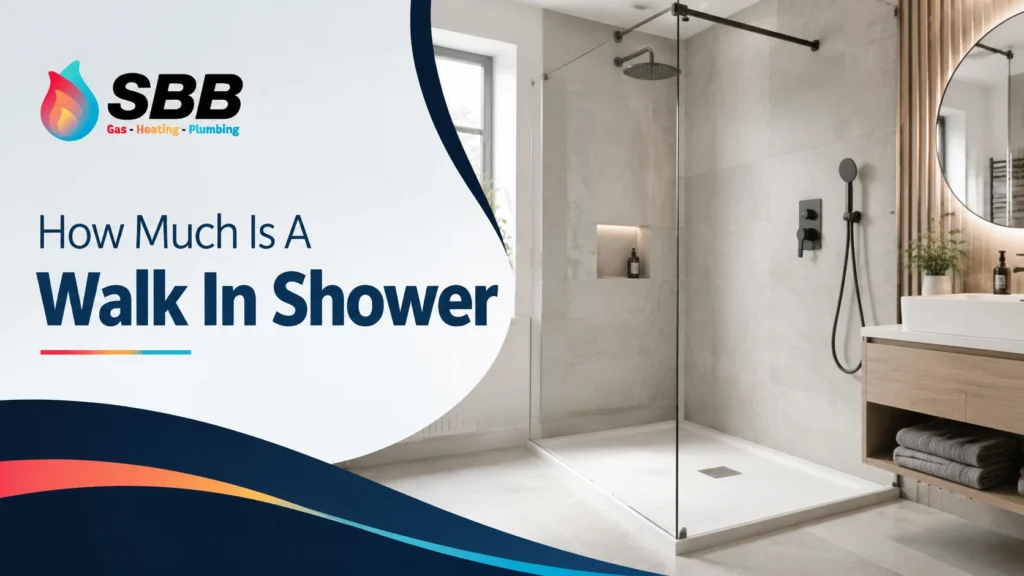
Early mornings with cold underfoot tiles and you wrestling with a bath. Climbing over that high edge every single day. Squeezing through the tiny shower door. Worrying about water splashing. It feels like a minor obstacle course every day. If you are someone who prioritises elegance and comfort over luxurious features, a walk-in shower is all you need.
But how much is a walk in shower? In 2026, a typical walk-in shower installation may cost you around £1500 to £4500, on average. The final price varies based on a lot of factors, like layout, shower design, and others. Labour costs may also vary depending on the complexity.
In this blog, we’ll break down walk-in shower costs, why the costs vary, and how to keep the expenses down. Let’s begin.
How Much Is A Walk In Shower? UK Cost Breakdown 2026
Every bathroom has its own layout and story. Some already have a space to install a walk-in shower; some might change the layout or replace the existing tub. As the complexity rises, installation cost climbs. Let’s break down walk-in shower installation costs in the UK:
⏹ Walk-in Shower Installation Cost by Project Type:
| Project Type | Supply Cost | Installation & Labour Cost | Total estimated Cost |
| Basic Swap(Like-for-like swap) | £600-£1,200 | £400-£800 | £1,000-2,000 |
| Standard Bath-to-Shower Conversion | £750-£1,500 | £1,200-2,000 | £2,100-£3,500 |
| Premium Mobility/Level-Access Upgrade | £2,000-£4,500 | £3,000-£6,000 | £5,000-£10,500 |
| Full Wet Room Conversion | £1,500-£4,000 | £4,000-£8,000 | £5,500-£12,000+ |
⏹ Itemised Components and Material Costs:
Glass Walk-in Screens(£100-£1,000+):
| Glass Panel Type | Average Costs |
| 6mm thick tempered safety glass | £100-£200 |
| 8mm thick safety glass | £250-£500 |
| 10mm thick frameless glass panels | £550-£1,000+ |
Shower Trays(£100-£700):
| Shower Tray Type | Average Costs |
| Standard white gloss acrylic or stone resin capped trays | £100-£200 |
| Low-profile slate-effect or stone matrix trays | £250-£450 |
| Ultra-thin resin trays or custom-designed trays | £500-£700 |
Shower Valves & Kits(£60-£1,500):
| Shower Valves and Kits Type | Average Costs |
| Valves and kits for electric shower or basic mixer | £60-£150 |
| Valves and kits for concealed thermostatic mixer | £180-£450 |
| Valves and kits for smart digital shower | £500-£1,500+ |
High-flow Wastes & Drains(£20-£400):
| High-flow Wastes & Drains Type | Average Costs |
| Standard fast-flow dome waste | £20-£40 |
| Square or round brass-body fast-flow vortex waste | £50-£120 |
| Linear channel drains | £150-£400 |
Waterproofing Membranes & Tanking(£40-£350):
| Waterproofing Membranes & Tanking Type | Average Costs |
| Basic liquid paint-on tanking kit with joint tape | £40-£80 |
| Complete sheet membrane systems | £100-£200 |
| Full wet-room tanking kits | £250-£350+ |
Wall & Surface Finishes(£150-£1,500):
| Wall & Surface Finishes Type | Average Costs |
| PVC 10mm thick hollow core wall panels | £150-£300 |
| Solid laminate, MDF-core high-pressure designer shower boards and ceramic or porcelain tiles | £350-£700 |
| Large-format porcelain slabs or luxury natural stone tiles | £800-£1,500+ |
⏹ Walk-in Shower Installation Labour Rates:
Daily Labour Rates in UK Regions:
| UK Region Name | Average Walk-in Shower Installation Cost Per Day |
| London & South East | £350-£500+ |
| Midlands & South West | £280-£350 |
| North, Wales & Northern Ireland | £220-£300 |
| Scotland | £240-£320 |
Daily Labour Rates By Tradesperson:
| Tradesperson Type | Average Labour Rate Per Day |
| Lead Bathroom Fitter/Plumber | £300-£450 |
| Professional Wall & Floor Tiler | £250-£400 |
| NAPIT or NICEIC Certified Electrician | £300-£350 |
| Plasterer/Joiner | £220-£350 |
Task-by-Task Labour Costs:
| Labour Task | Average Labour Rate Per Day | |
| Rip-out, Structural Prep & Waste Disposal | £300-£500 | |
| First-Fix Plumbing & Carpentry | £350-£600 | |
| Tray Setting & Wall Waterproofing(Tanking) | £200-£400 | |
| Wall Coverings | Shower Panels | £200-£400 |
| Standard Tiling | £400-£900 | |
| Second-Fix Plumbing & Finishing Touches | £200-£350 | |
⏹ Walk-in Shower Installation Hidden Costs:
| Most Anticipated Hidden Cost Elements | Average Costs |
| Subfloor water damage and rot repair | £200-£600 |
| Water pressure deficiencies and pump upgrades | £300-£700 |
| Tiling mismatch and whole room creep | £400-£1,500 |
| Relocating and deepening the waste pipe | £150-£450 |
| Asbestos Plaster and Artex boards | £250-£600 |
| Electric consumer unit/RCD upgrades | £200-£500 |
Why Do Walk In Shower Costs Vary?
The cost of installing a walk-in shower heavily depends on the complexity of the job. A lot of things matter in the final pricing. Let’s uncover what may affect the walk-in shower installation pricing:
▶ Existing Bathroom Layout
If you want to install your walk-in shower where your existing shower is positioned now, your installer may be able to reuse existing plumbing and drainage. But if the shower needs to move across the room, pipework may need to be extended or repositioned. The shower waste may need altering. The floor may require additional preparation. This extends the costs.
▶ Removing a Bathtub
When you remove an old bathtub, there might be surprises like damaged flooring, gaps in tiling, etc hidden beneath it. That’s why replacing a bath with a walk-in shower typically costs a lot. You find the issues, you repair them, and then start from scratch. Also, you might need re-pipework or rewiring if required.
▶ The Shower System
The choice of shower system affects the pricing directly. A basic mixer shower and a high-end thermostatic shower system don’t have the same price tag.
The price of a shower varies depending on its features, brand, and facilities. A mixer shower uses your home’s hot and cold water supply. An electric shower heats cold water within the unit. Each of their mechanisms is different, and so are the costs. Premium shower systems come with high pricing. It’s you who’s in control of which one you want.
▶ Your Property Location
Where you live can also influence the final price. Walk-in shower installation and labour rates tend to vary across the UK. Prices are often higher in London and the South East than in many other regions.
That doesn’t mean you should automatically choose the cheapest local contractor. A little research before hiring professionals can prevent you from paying unexpectedly expensive rates.
▶ Glass Thickness and Shower Screen Design
A standard shower screen may be relatively economical. But thicker glass, larger panels, bespoke dimensions, black-framed screens, or specially treated glass can increase material cost. Also, a large frameless glass panel needs careful measurement and professional installation. Depending on the installation complexities, labour rates can increase.
▶ Tiling And Wall Finishes
A new upgrade often demands everything new. A renovated outlook, new fixtures, new finishes. Sometimes you may discover some tiles are affected by the old shower or bathtub. Also, you might want to have new tiling and new wall panels in your bathroom. The cost increases with rising demand.
▶ Drainage and Waterproofing
You might want a raised shower tray, a low-profile tray, or a fully level access shower. The choice of shower tray changes the location of the drainage system. For a fully level access shower, the drainage system needs to be integrated into the floor.
▶ Accessibility Requirements
Some homeowners want their walk-in shower to be easier and safer to use. Features like a low-threshold shower tray, grab rails, a fold-down shower seat, thermostatic temperature control, etc changes user experience. They make everyday life more comfortable with a walk-in shower. With the integration of features, costs rise.
How To Keep Walk-In Shower Costs Down?
A stylish walk-in shower doesn’t have to come with a luxury price tag. You can keep the costs down with a strategic budget plan. Here’s how:
✔ Keep The Existing Plumbing Intact
Costs can be reduced when installing a new walk-in shower if you can make the best use of the existing pipework. Even after moving a shower, it can run using the existing pipework. Ask your bathroom installation experts if it’s possible to keep it.
✔ Don’t Replace Fixtures Unnecessarily
If your bathroom’s other fixtures like tiles, taps, basins, toilet, etc are in good condition, replacing them with new ones is a waste of money. Changing a shower doesn’t mean you need to change everything. Especially if you have a tight budget, keep other fixtures in the bathroom untouched when installing the walk-in shower.
✔ Choose Wall Panels Instead of Full Tiling
A well-designed shower panel can give the bathroom a clean, contemporary appearance. Waterproof wall panels keep the costs low. It’s a great alternative to full bathroom wall tiling. Waterproof wall panels are available in a wide range of patterns and colours. Also, they have fewer grout lines. So you can install them, keep costs down, and enjoy a smooth maintenance routine.
✔ Compare Detailed Quote
Ask for a detailed quote from every installer you communicate with. Then compare those multiple quotes. Check exactly what is included and also verify if there are hidden charges or not. Check if the quotation covers the shower tray, glass screen, plumbing, electrical work, waterproofing, wall preparation, tiling, etc.
✔ Choose a Company That Offers Multi-Tradespeople
Hiring tradespersons individually may cost a lot. Instead, choose a certified company like SBB Plumbing that offers multiple tradespeople like plumbers, electricians, tilers, etc under the same roof. This keeps the costs under a single package, and negotiation becomes easier as you deal with one person at a time.
Bottom Line
So, how much is a walk in shower in the UK? Budget around £1500-£4500 depending on your material preferences. Simple basic installations cost less. Extensive features and premium designs push the pricing higher. As a lot of factors can influence the bill, keep a 10-15% extra contingency fund no matter what your budget is.
Be extra cautious about the hidden charges. Ensure you are installed by professionals maintaining the UK regulations and guidelines. Take permissions from the local council if required during the installation.
Ultimately, the best walk-in shower isn’t the most expensive one. It’s the one that fits your bathroom, your water system, your convenience, and your long-term routine.
Your Most Asked Questions About Walk In Shower Costs
What Is The Average Cost Of A Walk-In Shower In 2026?
The average cost of a walk-in shower in 2026 in the UK is around £1500-£4500. The final price can vary from project to project based on several factors.
How Much Does It Cost To Convert A Bathtub To A Walk-in Shower?
Converting a bathtub into a walk-in shower usually costs between £1000 and £5000. With the complexity of the project, the price increases.
Is A Walk-In Shower Expensive?
Not necessarily. A walk-in shower is way less expensive than a wet room. However, if you install premium fixtures, it can be an expensive installation.
What Are The Latest Walk-In Shower Trends?
Trendy walk-in showers in 2026 are curbless open layouts, thermostatic showers, matte black fittings, level access shower trays, rainfall showerheads, etc.
What Is The Best Walk-In Shower For Seniors?
For seniors, the best walk-in showers are the ones with a low-profile or level access shower tray. Also, features like grab rails, fold-down seats, anti-slip flooring, etc are highly convenient for them.
What Type Of Walk-In Shower Is Best?
There’s no universal best walk-in shower. The best type depends on your bathroom, water system, and priorities. Typically, showers with low-profile or level access trays, thermostatic systems, etc are great.