
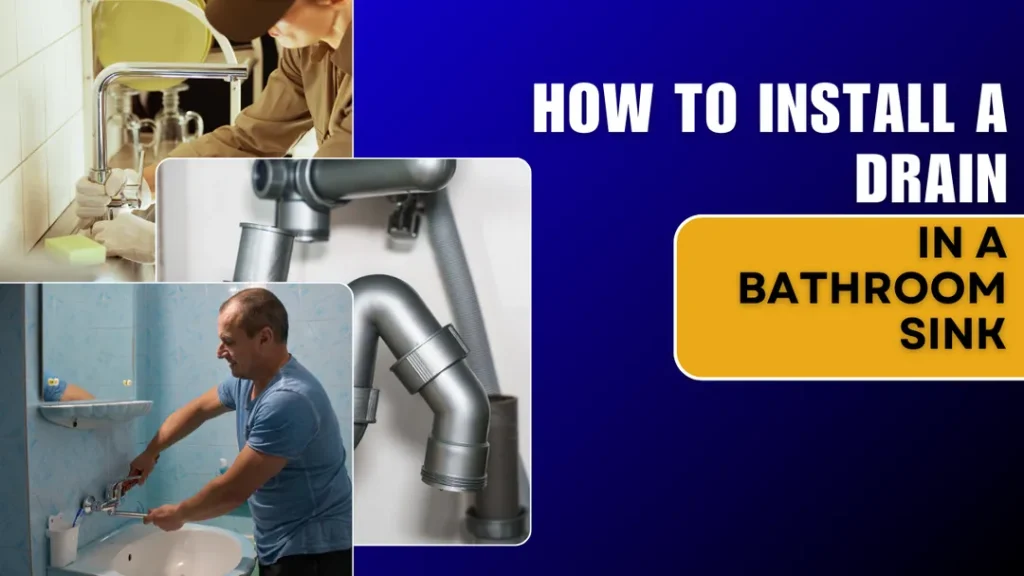
Dealing with a Leaking or Clogged Sink Drain? Installing a new drain in your bathroom sink might sound tricky, but it’s actually a straightforward DIY project you can knock out in under an hour.
Whether you’re fixing a leak or setting up a brand-new sink, knowing the right steps can save you a lot on plumbing costs.
In this easy-to-follow guide, we’ll show you exactly how to install a drain in a bathroom sink securely and watertight, ensuring a leak-free setup that lasts for years. Ready to get started? Let’s dive right in.
How to Install a Drain In a Bathroom Sink? Step-by-Step Guide
When your sink drain stops working and water begins to drip, it’s more than just an inconvenience. It can silently cause damage to your vanity units and lead to stubborn odors.
Installing a leak-proof sink system isn’t about brute force with the wrench; it’s about mastering the technical details.
Ready to take on the task? Let’s walk through a straightforward step-by-step process to install your bathroom sink drain effortlessly and effectively.
Step 1: Collect essential materials and tools
Getting your sink drain replacement or install right starts with gathering all the right supplies. Run through this checklist so you’re ready to roll:
What You’ll Need (Materials):
- Basin waste kit (your drain assembly).
- Bottle trap or P-trap (for proper drainage).
- Silicone sealant or plumber’s putty (to prevent leaks).
- PTFE tape (for securing threaded connections).
Tools to Have Handy:
- Adjustable wrench (for tightening nuts).
- Basin spanner or wrench.
- Pliers (channel lock or water pump).
- Screwdriver set.
- Bucket or bowl (to catch water).
- Rags or towels (for cleanup).
- Hacksaw or pipe cutter (if pipe length needs adjustment).
- Gloves (for hand protection).
Step 2: Remove the old drain
Before you begin ripping out that tired old drain, do these quick prep steps:
- Shut off your water supply. No one wants a flood.
- Place a bucket under the drain to catch any leftover water.
- Clear the area for easy access and safe removal.
- Measure and identify the drain type important for the new fitting.
Let’s get that drain out:
- Loosen the P-trap slip nuts by turning them counterclockwise.
- Unscrew the pop-up linkage that connects to the drain.
- Grasp the locknut with pliers and turn to loosen.
- Push the old drain body upward to free it from the sink.
- Clean out any old putty and debris. Your sink is now ready for a fresh start.
Step 3: Apply sealant in the opening
Ready to install the new drain? First, seal it up properly.
Here’s your quick guide:
- Roll a ½-inch strip of plumber’s putty.
- Press it firmly under the drain flange. Silicone is a good alternative for stone sinks.
- Double-check that your sealant stays strong and durable for a leak-free connection.
Step 4: Install the drain and set perfectly
Getting this right is simpler than you think. Follow these quick steps:
- Insert the flange into the sink’s drain opening.
- Align the overflow slots if your sink has them.
- Slide the rubber gasket into place from underneath.
- Finish by adding the metal washer and tightening the locknut.
Step 5: Tighter the drain
This step is crucial and requires attention to detail. Follow these simple tips:
- Hand-tighten the drain first. Get it snug but don’t force it.
- Then, use pliers to give it a final tighten. Just don’t overdo it.
- Finally, wipe away any excess putty that oozed out for a clean finish.
Step 6: Re-connect the pipes
Now that you’ve loosened and disconnected the pipes earlier, it’s time to put everything back together:
- Attach the tailpiece securely to the drain body.
- Reconnect the P-trap to the wall and the tailpiece.
- Finish up by setting up the pop-up stopper linkage.
Let’s get those pipes working smoothly again.
Step 7: Leak and performance check
Your sink drain’s in, but before wrapping up, let’s make sure it’s leak-proof and operating well:
- Turn on the tap and inspect all joints for leaks.
- Fill the sink to test if the flange seal holds firm.
- Wipe dry and scrutinize for any moisture or drips.
Things to Consider When Installing a Bathroom Sink Drain
Thinking about fixing your bathroom sink drain yourself? With the right know-how and some basic tools, you can do it without calling a plumber.
Here’s a quick rundown of the most important things to remember:
◆ Drain size & compatibility
Most bathroom sinks come with a 1-¼ inch tailpiece, but older sinks might need 1-½ inch parts. It’s crucial to measure correctly to ensure a snug fit.
Also, if your sink features an internal overflow, a drain with overflow slots is necessary to handle excess water. Without an overflow, opt for a drain with solid walls. Get it right, and avoid leaks or clogs.
◆ Sink type
Before diving into your drain setup, it’s crucial to identify your sink type. The thickness of your sink and countertop plays a big role.
For instance, vessel sinks and thick stone countertops often need longer drain bodies and tailpieces to connect properly to the P-trap.
◆ Drain type
Pick the perfect drain based on your daily routine! If you often fill the sink to shave or soak items, a pop-up drain with a lift rod is your best bet.
For high-traffic bathrooms or family-friendly spaces, a sleek grid or strainer drain keeps things flowing smoothly without worry.
◆ Drain material
Opt for solid brass or stainless steel in your main bathroom for durability that lasts. In guest bathrooms, plastic drains are a budget-friendly choice, but they might crack with frequent use.
◆ Preparation and removal
Before you start, turn off the water supply, place a bucket beneath the P-trap to catch any drips, and carefully remove old putty and debris.
Getting these steps right ensures a smooth installation and prevents future leaks.
◆ Sealant type
Most sinks can be sealed with standard plumber’s putty beneath the drain flange. But if you’re installing a stone sink, switch to 100% silicone sealants to keep that beautiful surface stain-free and looking flawless.
◆ Avoid overtightening
Finish with a tightening tool for the final ¼ to ½ turn once you’ve hand-tightened, going too tight can crack or strip the threads.
When to Call an Expert Plumber For Bathroom Sink Drain Installation?
- Ongoing leaks: Moisture or leaks despite your attempts at fixing? A professional can resolve the root issue.
- Recurring clogs: Multiple fixtures clogging or repeated blockages? Don’t guess, trust the experts like SBB Plumbing.
- Misaligned or damaged pipes: Rusted, cracked, or out-of-place pipes need expert handling.
- Unsure about measurements: If the setup feels too complicated or you’re unsure about sizing, let the professionals take care of it.
Final Words
Thinking of tackling a DIY project? Installing a bathroom sink drain is easier than you think. Just learn how to install a drain in a bathroom sink. We’ve got all the details you need. Don’t stress if you’re nervous, contact us anytime, help is just a call away.
Remember, a small leak can turn into a big problem, so staying on top of installation and maintenance is essential.
Frequently Asked Questions (FAQs) About Installing a Bathroom Sink Drain
1. Which sink drain type should you install?
Use a slotted click-clack for sinks with an overflow; it ensures optimal drainage. For sinks without an overflow, the unslotted version is the way to go
2. How to properly put a bathroom sink drain?
Start by placing a bead of silicone or plumber’s putty under the flange. Then, push the waste body from above through the sink hole.
3. How much does it cost to install a bathroom sink drain?
Typically between £50 and £200, but it depends on your setup. Complex plumbing or materials may increase the overall cost.
4. What are common sink installation mistakes?
Overtightening, incorrect pipe slopes, bad venting, or misalignments are the common sink installation mistakes.
5. How long should the plumber’s putty sit before use?
The plumber’s putty is ready to go immediately. No drying or curing needed. Just shape, seal, and use.
6. Should I put silicone under a sink drain?
Yes but it depends on your sink material. Silicone works best for stone, plastic, or PVC drains, giving a super-strong, waterproof seal. For metal or ceramic sinks, plumber’s putty is perfect.
7. Why should you put salt down your sink at night?
Putting salt down the sink at night helps prevent minor clogs and eliminate foul odours.
8. Is a 90 or 45-degree elbow better for a drain?
45-degree elbows are usually better for flow. 90-degree elbows are handy in tight spaces but can create resistance.